Upcoming Events
Outing – May 4 at 10 am – Wildflower Walk at Marcy’s Woods Nature Reserve.
Meet at the south end of Holloway Bay Road. Everyone welcome. Non-members sign a waiver. Check our Facebook page for any last minute changes due to weather.
Outing – May 11 at 10 am – Celebrate World Migratory Bird Day
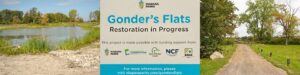
See the restoration under way at Gonder’s Flats, Niagara River. Meet in the Parking Lot on the Niagara Parkway, just north of Townline Road
May Meeting (In Person) – May 13 at 7 pm – AGM
AGM (Annual General Meeting) followed by Members Share Night and Dessert/Social
2024 AGM DocumentsNOTE: All in-person programs are held at the Stevensville Conservation Area (2555 Ott Road)
Earth Challenge – still time to sign up for the May Challenge – Get Gardening!


Welcome to the Challenge, sponsored by the Bert Miller Nature Club. Thank you for dropping by. This is how it works:
- There will be a new themed challenge each month, everyone welcome!
- January – Home Efficiency
- February – Earth Friendly Eating
- March – Plastics and Packaging
- April – Save Money/Support Local
- May – Get Gardening!
- To sign up, send an email to letsdosomething.bmnc@gmail.com. Subject: Challenge. Body: Hi, my name is (your name). I would like to participate in the Earth Challenge.
- You will receive an email at the beginning of each month (January to May) with suggestions of environmentally friendly tasks you can try, as per the theme. We welcome your earth-friendly ideas too!
- Your name goes into a hat each month and at the end of the month, there will be an email announcing the winner of the monthly prize.
- Do your best, try, have fun!
- March Challenge: Reducing plastic in our lives
- Working together we can DO something, we can make a difference!
Our Meetings and Activities
Download 2023-2024 Program (September to June)
Check out our program to see what speakers and events we have lined up for this year.
Read The ProgramThe Rambler Newsletter
Our bi annual news letter informing you of the latest Bert Miller news.
Read The RamblerBMNC Recognized!
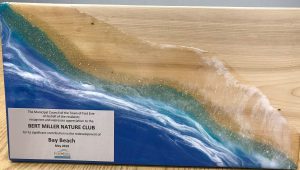
The Bert Miller Nature Club received this award from the Municipal Council of the Town of Fort Erie on behalf of the residents to recognize and express appreciation for the efforts to the redevelopment of Bay Beach!
Projects
Grass Pickerel
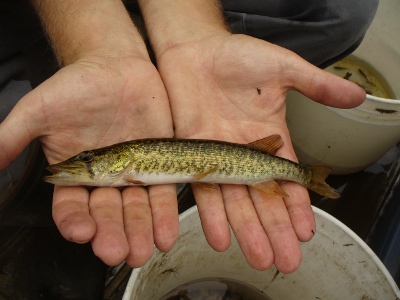
This smaller species of pickerel lives in several creeks in Fort Erie, including a section of Beaver Creek where the Town of Fort Erie would like to increase the rate of flow.
Fowlers Toads
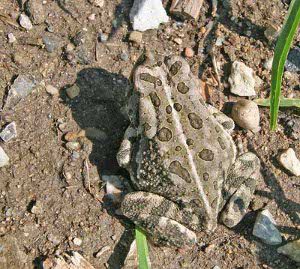
Under the leadership of the Ontario Ministry of Natural Resources and McGill University, we have been contributing volunteer hours to the Fowlers Toad Recovery Project for many years.
Shagbark Nature Park
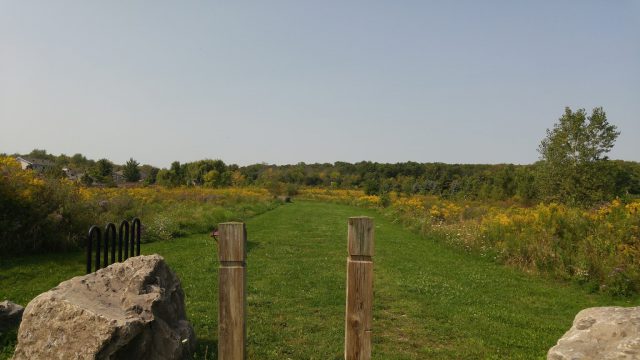
The Shagbark Nature Park initiative is a project our club maintains year round. It involves the rehabilitation of a Town-owned municipal nature area. The long term vision is to preserve the existing Maple/Beech forest and rehabilitate surrounding lands to increase the extent and diversity of the woodlot.
Shagbark Nature Park
The Shagbark Nature Park initiative is one that the Bert Miller Nature Club is currently working on. It involves the rehabilitation of a Town-owned municipal nature area.